Eros
Eros
Beauty for much of human history has been connected to fertility. No matter how we consider female beauty – and in that conception put away the idea of conception – female beauty has always turned on fertility. But in fact not at all always, soon enough in man’s history, sex became not about procreation, but pleasure, and pleasure for pleasure’s sake. Well that depended on what your philosophy of life was.
For the ancients, the cultivation of pleasure and appetite suffused life and its fulfillment was simply a natural appetite to be appeased or cultivated. With the Christian era, focus was on the afterlife, this life was but a short one compared to eternal life and the body was a corruption, strange and alien to the aspiring spirit. Never the less, artists and their patrons in the staging of religious or mythic scenarios wanted to visually enjoy such pleasures. (One need only look at the French Rococo painters, Boucher and Poussin to see this.)
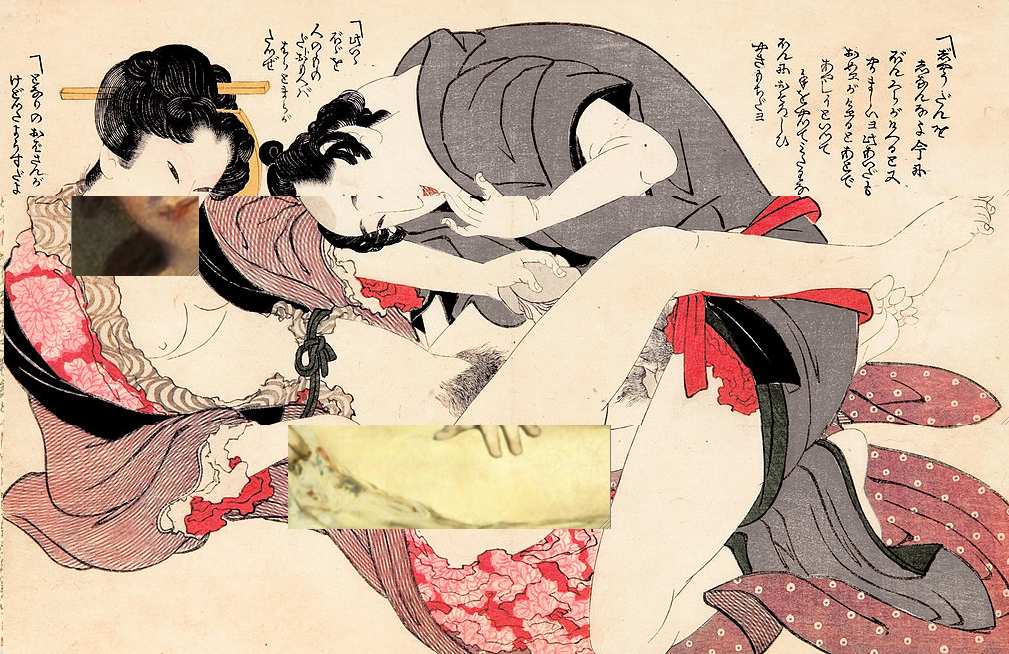
Now just turn the globe around, and on the other side of the world, the earthly pleasures of sex during the same time, the 16th to 18th century, are depicted in Japan during the Edo period in Shunga prints using the wood cut or Ukiyo-e technique. Sets of such depictions were enjoyed by all social groups and were often given as wedding gifts and such art integrated into the fabric of everyday life. But things of the body were not all shunned in the western world and found their way into pictures through scenes of mythologies, even religious pictures and then pictures made for the aristo.
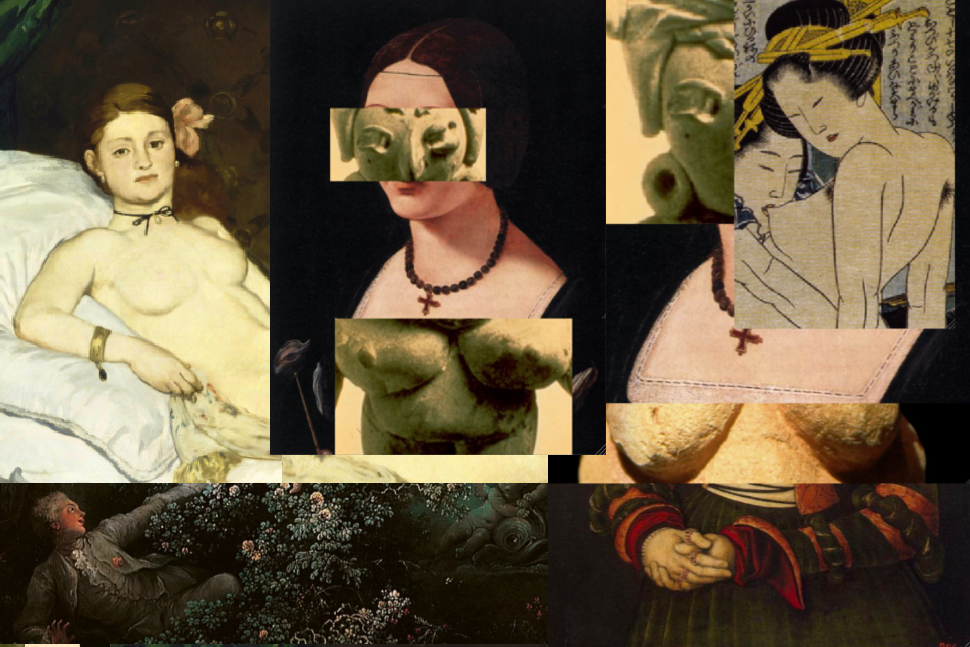
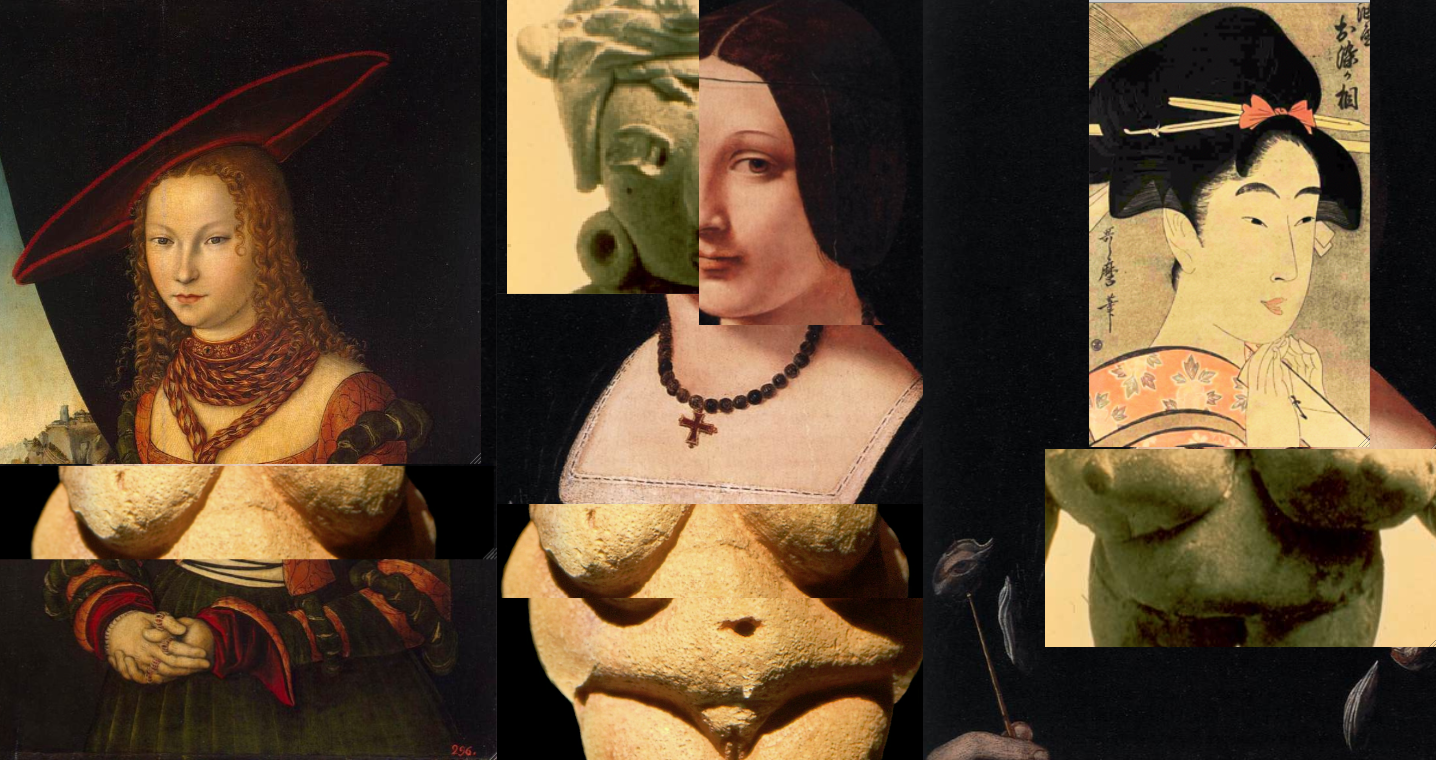
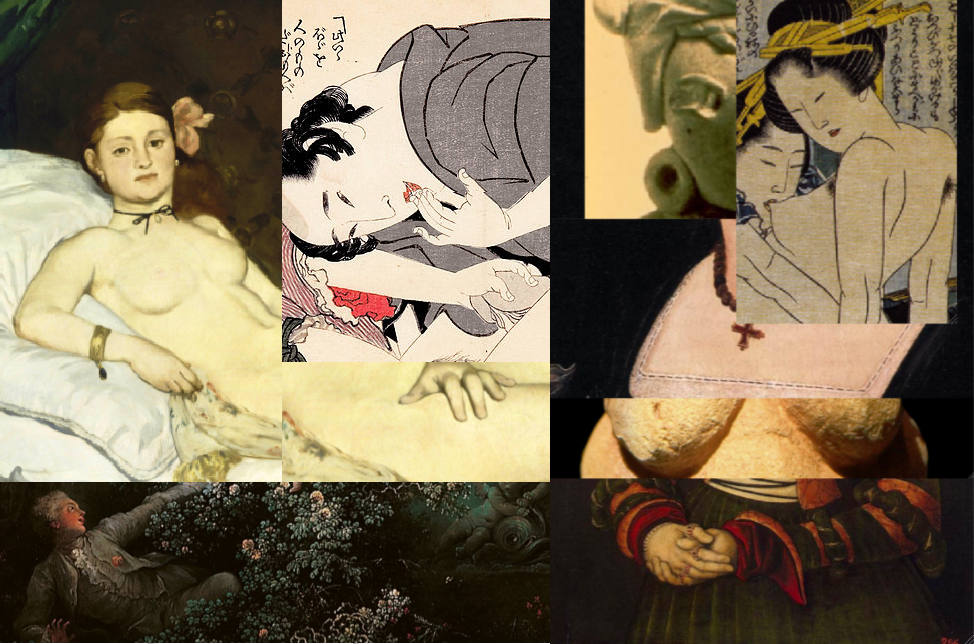
Wanting to see both east and west simultaneously I made the following works both as an artist book and prints on rice paper with both prints mounted and superimposed on each other on wood.
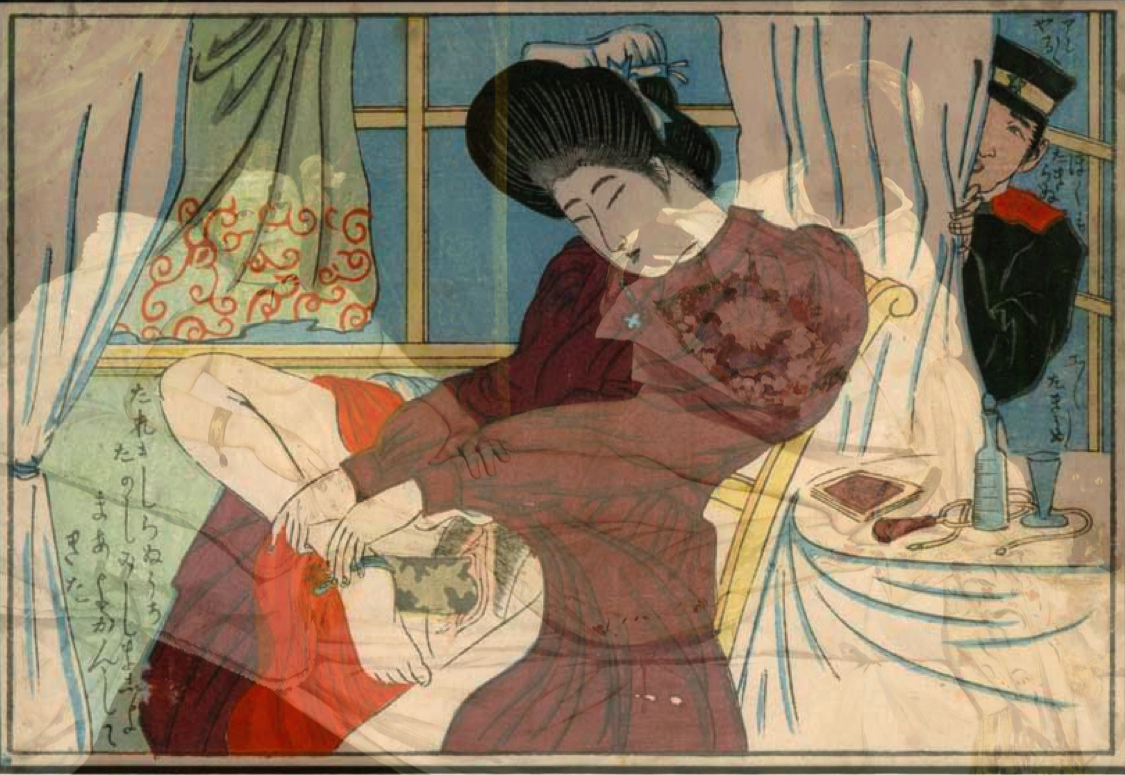
Édouard Manet, Olympia, oil on canvas, 1863 (Musée d'Orsay, Paris)
Unknown Artist, Woman pleasuring herself with a dildo while Man watches,
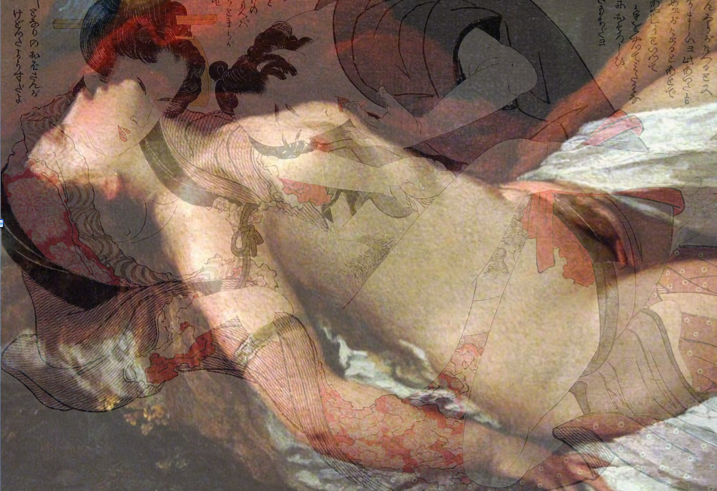
Nicolas Poussin, Sleeping nymph surprised by satyrs or Venus surprised by satyrs, 1627
Yanagawa Shigenobu, Two Lovers, 1800
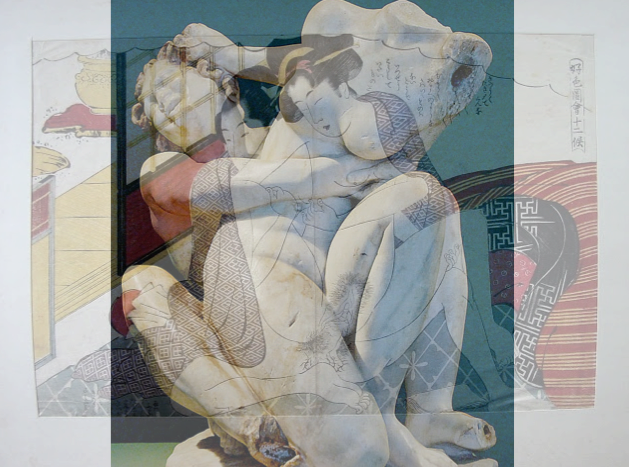
Satyr Nymph, Musei Capitolini, Rome, Roman copy after Hellenistic original of the Pergamene school, (circa 150bc)
Kiyokata, Love Games, (Series, Ways of Making Love), 1910
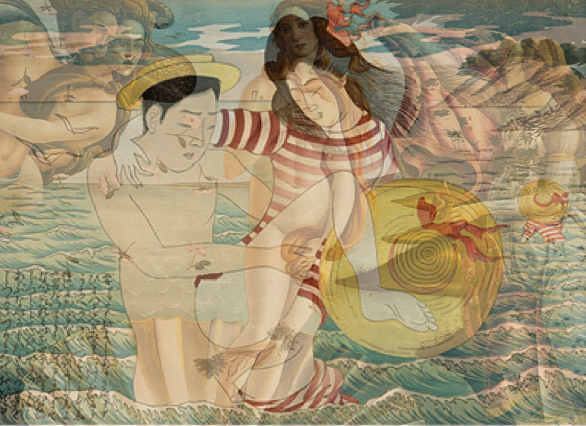
Sandro Botticelli, The Birth of Venus, 1486
Shunga, Untitled (c 1850)
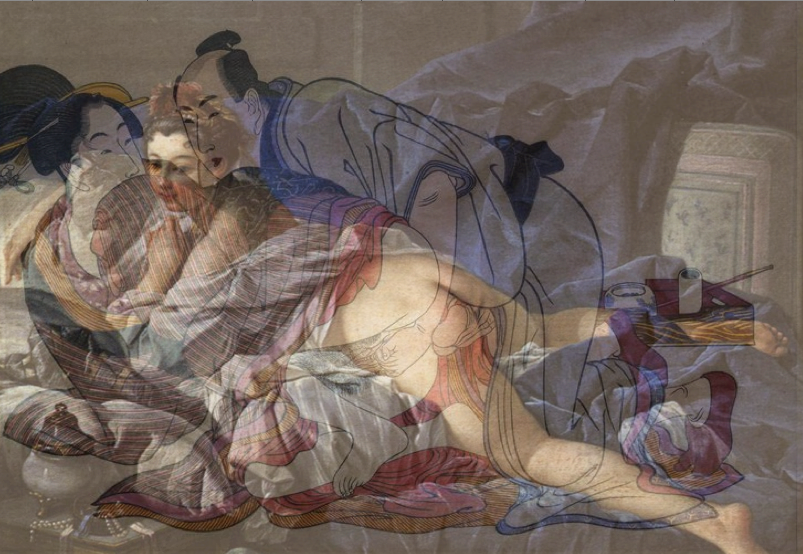
François Boucher, L’Odalisque, circa 1745
Yanagawa Shigenobu, Untitled, circa 1800
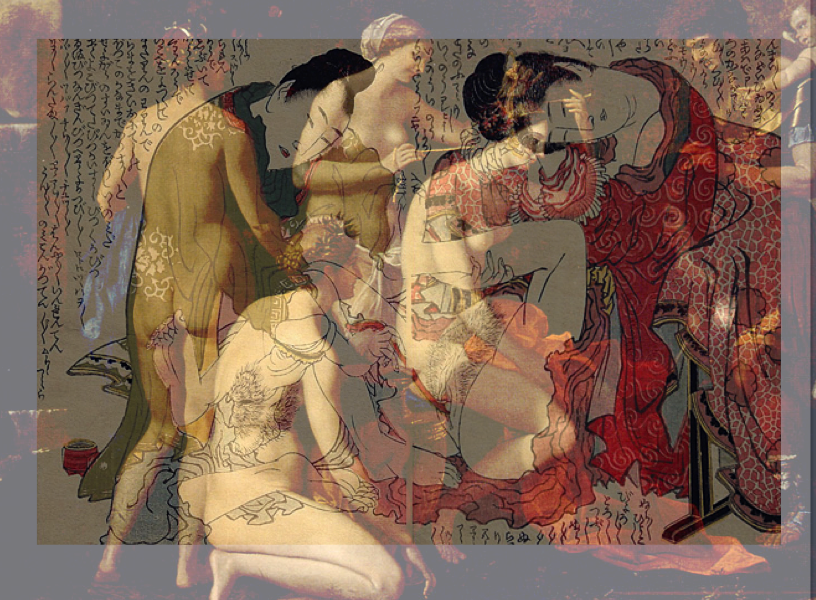
Nicolas Poussin - Mars and Venus, 1633 Katsushika Hokusai, Chinese Couple 1814
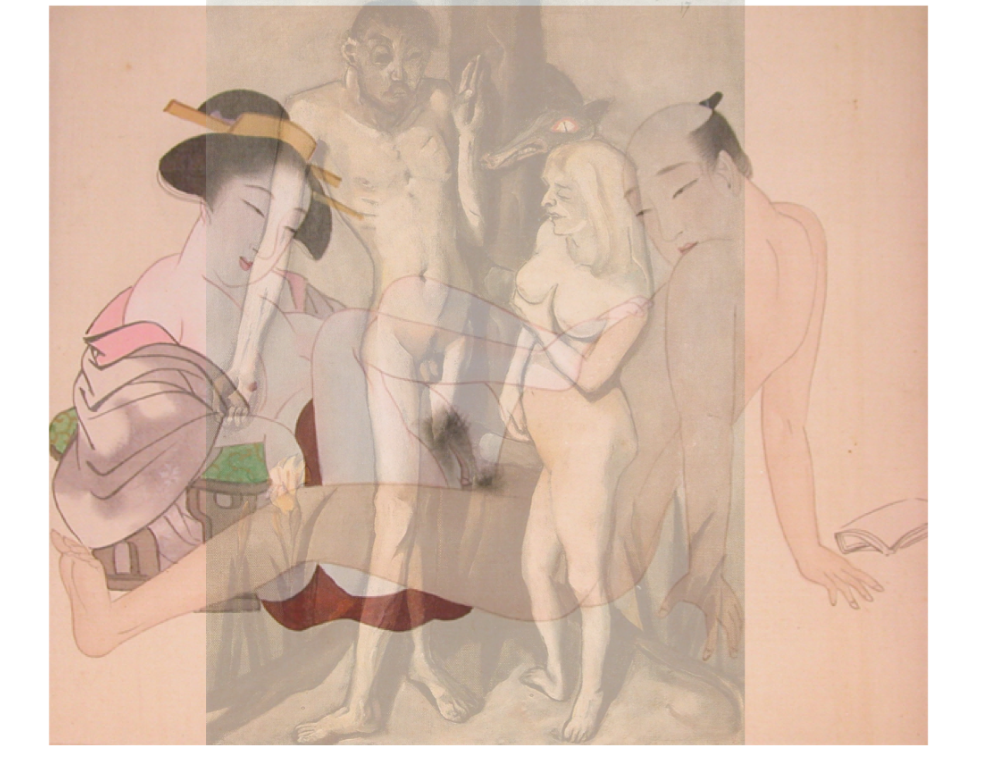
Utamaro 1, Kitagawa (1753-1806) Untitled", late 18th Cent
Max Beckman, Adam and Eve, 1917
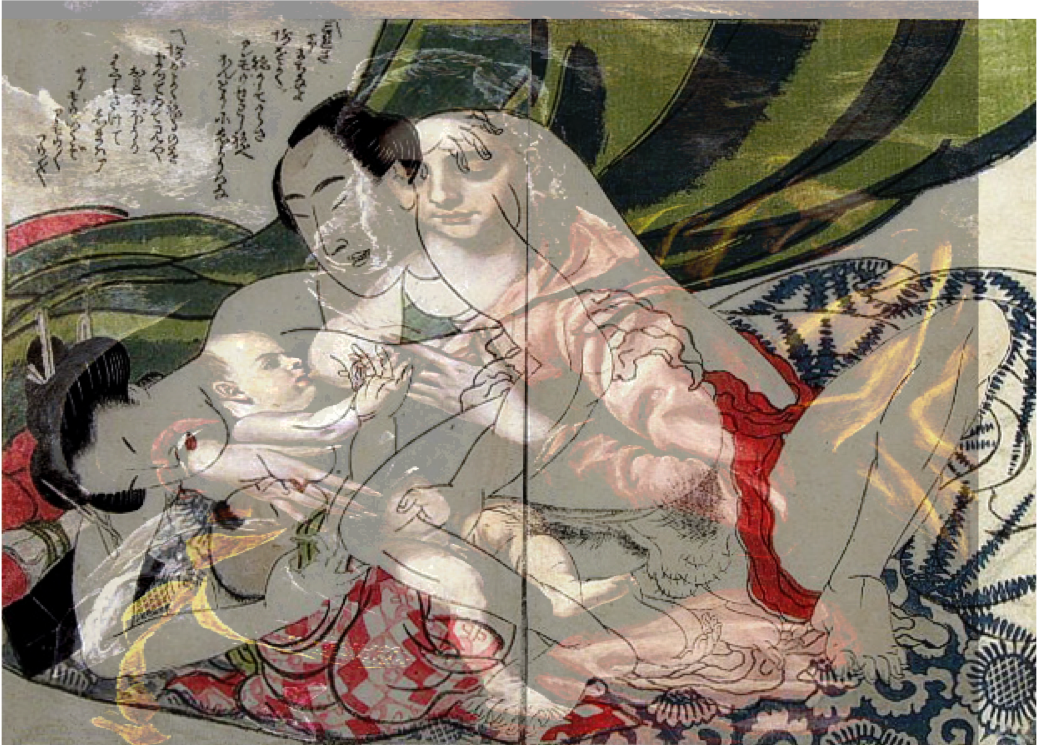
El Greco, The Holy Family, 1585
Yanagawa Shigenobu, Family 1820
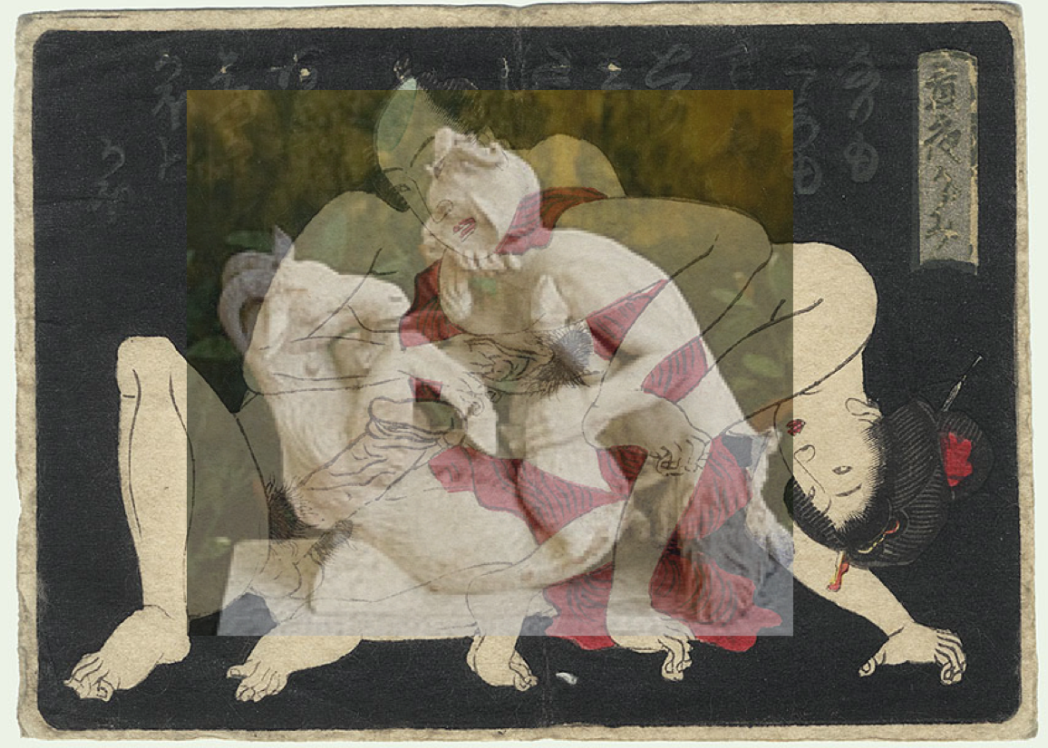
Artist Unknown, Pan copulating with a she-goat, Carrara marble, from The Villa dei Papiri at Herculaneum, 2nd Century AD
Shunga, Untitled, (c 1850)
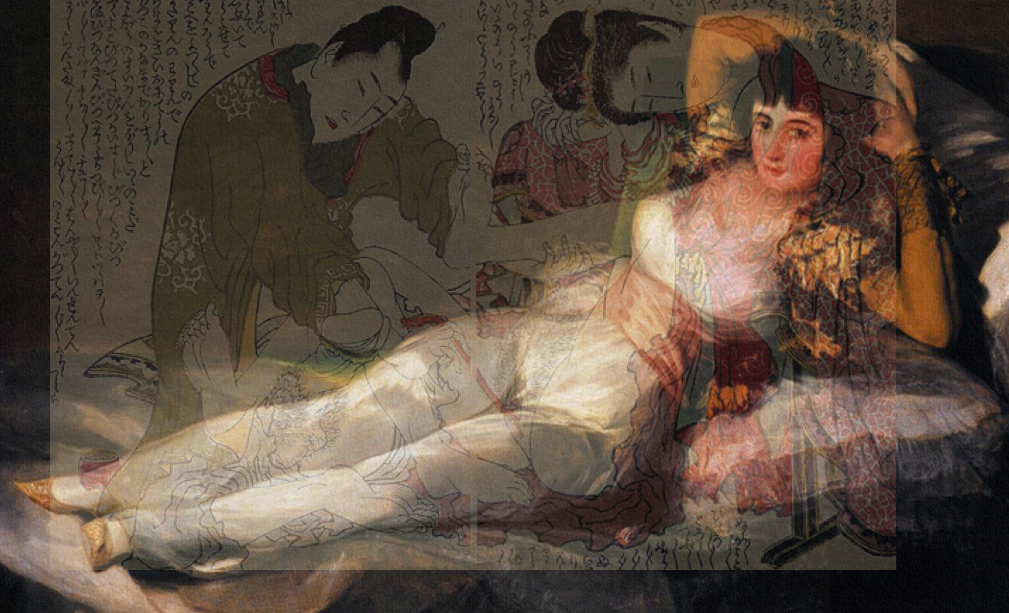
Francisco de Goya, Clothed Maja, 1798-1805
Katsushika Hokusai School, Untitled’ Circa 1800
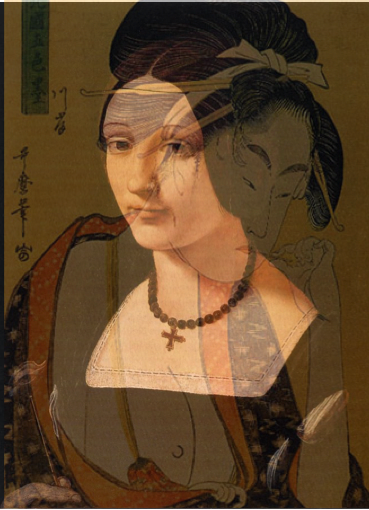
Giovanni Antonio Boltraffio, Portrait of a Lady as St Lucy, circa 1500
Portrait, (circa 1800)
Exploratory Sketches